
Community impact
At TeraWulf, we believe progress should power more than technology — it should strengthen the communities we call home.
As we expand operations in Barker, our goal is to be an active and engaged neighbor, driving local opportunity through meaningful partnerships, workforce development, and economic growth.
How Barker benefits
-
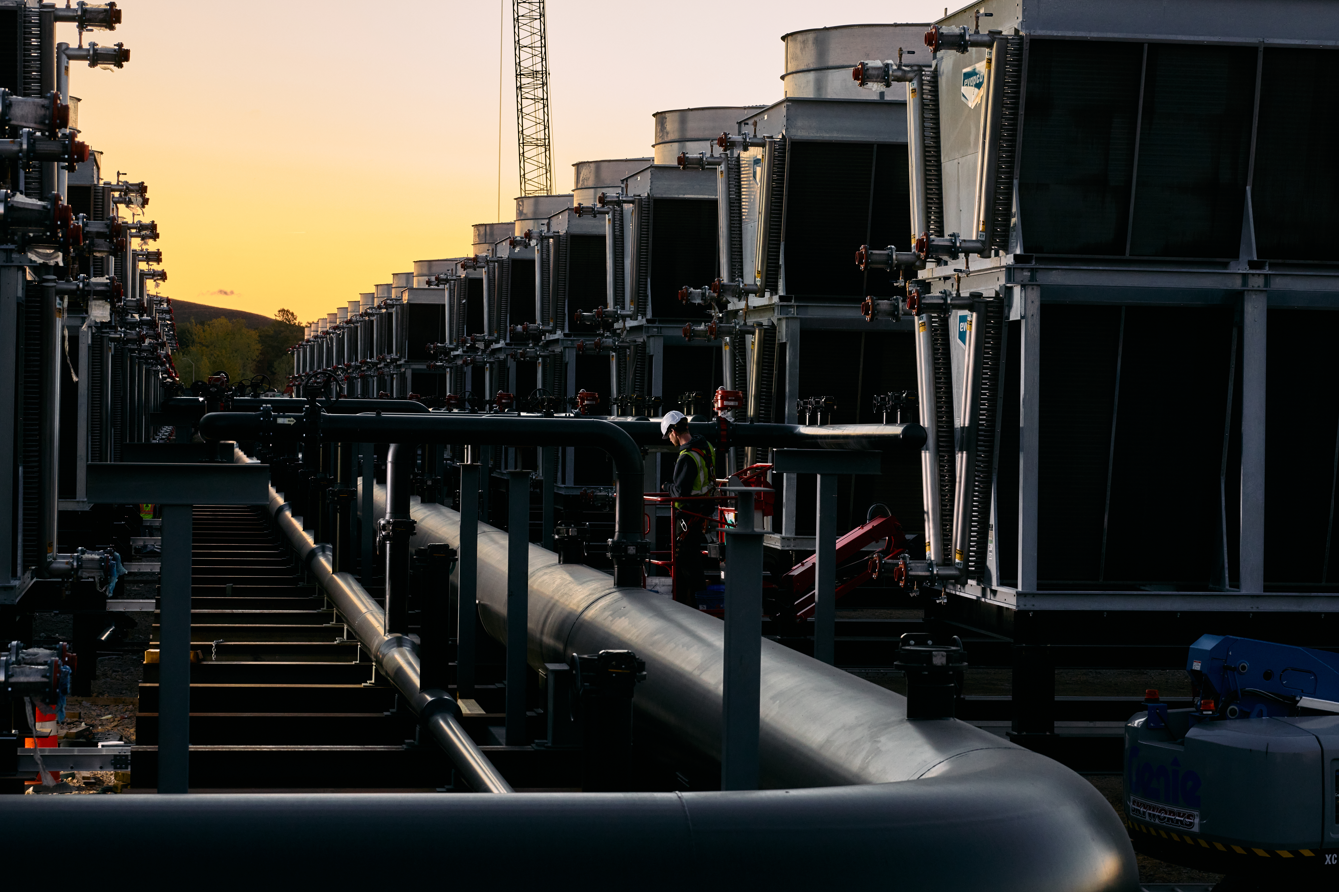
Our data campus will use a closed-loop cooling system that is completely independent of Lake Ontario.
More information about our closed-loop cooling system can be found HERE.
-
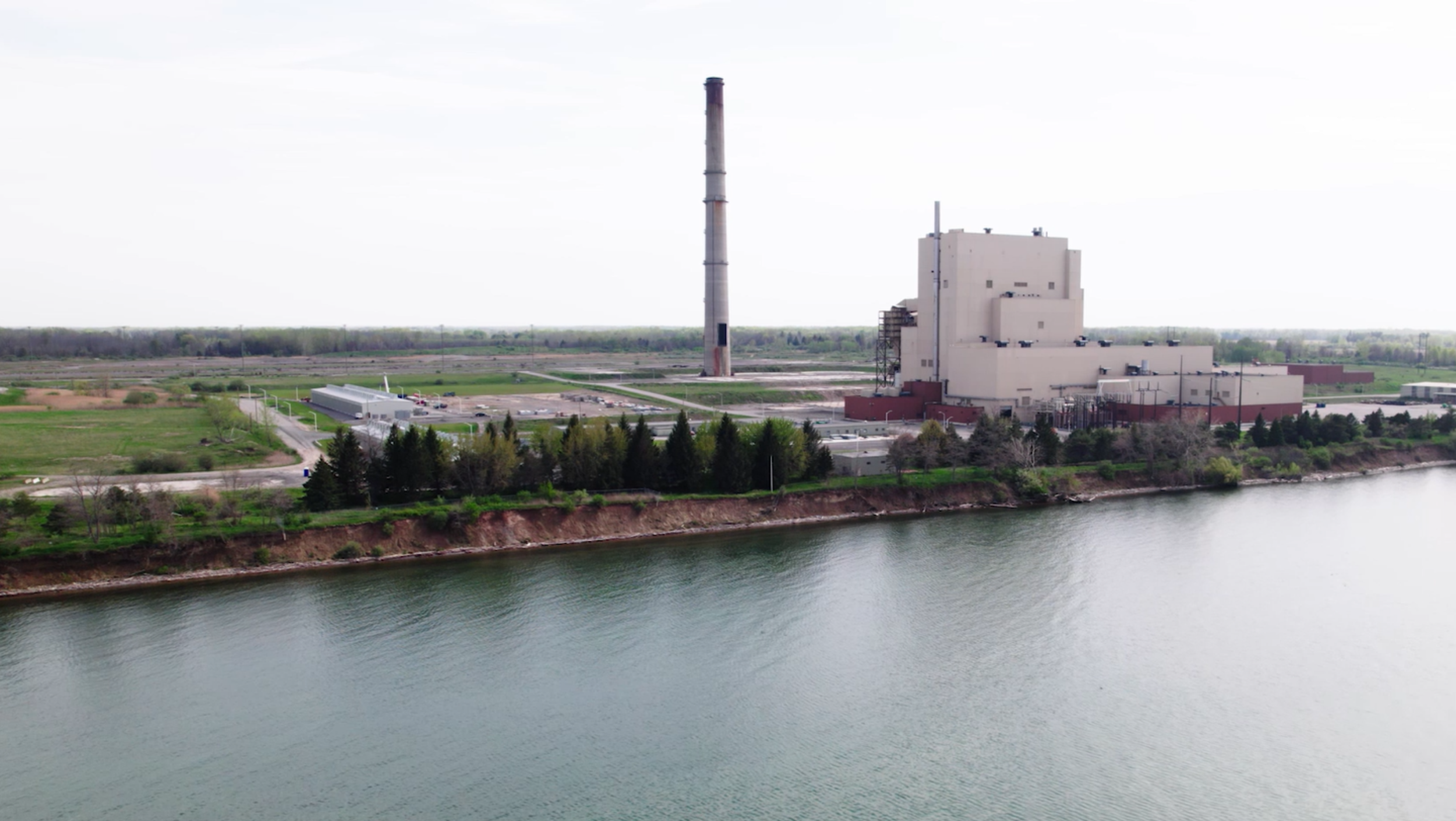
The Campus operates entirely without on-site combustion, meaning there are no stacks, no fossil fuel burning, and no air emissions traditionally associated with industrial activity. All campus operations are powered by electricity rather than fuel-based generation, resulting in a clean, quiet, and low-impact environment.
You can view the demolition of the stack at our Lake Mariner facility HERE.
-
The Lake Mariner Campus makes productive use of a site that has supported industrial activity for decades, eliminating the need to clear new land or disrupt active farmland.
By repurposing the former Somerset Power Plant property, the project preserves surrounding agricultural areas, protects local ecosystems, and minimizes the environmental footprint typically associated with new construction.
-
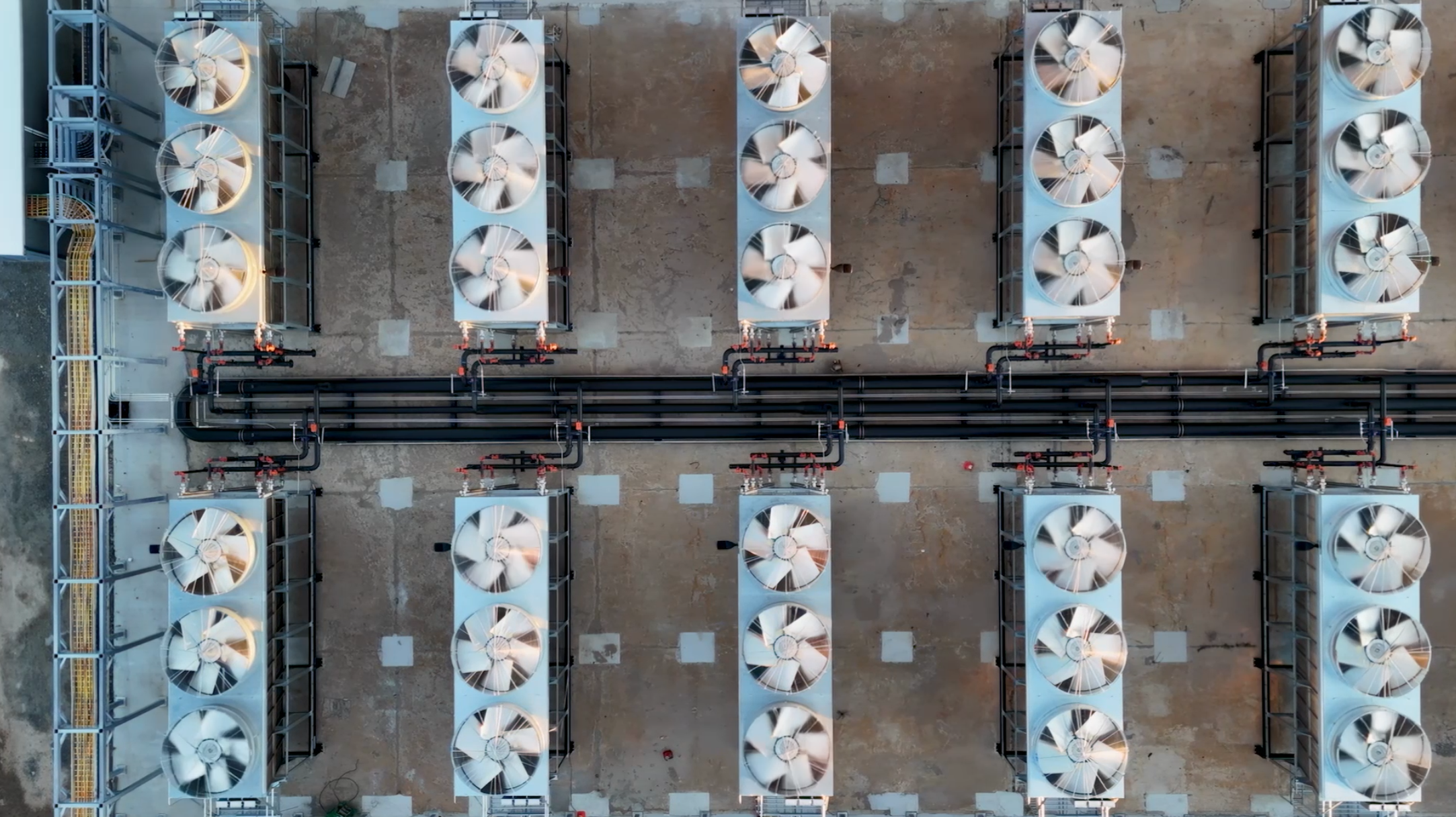
Designed with the community in mind, our campus’ advanced cooling technology is engineered for quiet operation, resulting in little to no audible impact beyond the site boundary and meeting all local noise requirements.
-
The project creates meaningful job opportunities for the region — from skilled construction and trade positions during development to permanent technical and facility operations roles.
By hiring locally and engaging regional contractors, Lake Mariner Data contributes to workforce growth, supports small businesses, and provides long-term economic stability in the community.
-
The project strengthens the region’s digital backbone by extending redundant high-speed broadband infrastructure to and through the campus.
This investment enhances connectivity and reliability not only for the campus itself but also for surrounding communities and local businesses.
Following the “beneficiary pays” principle, all infrastructure improvements are funded by TeraWulf and associated Tenants, ensuring that local residents and ratepayers bear no additional costs.
-
Beyond economic investment, TeraWulf is committed to being an active and positive community partner.
The Lake Mariner project has supported, and will continue to support, local initiatives through charitable contributions and collaboration with public-service organizations.
Protecting our environment
-
![]()
Closed-Loop Cooling
Lake Mariner Data uses a closed-loop system, independent from the lake, requiring only a few gallons of utility water daily.
-
![]()
Ultra Low Noise
Our advanced cooling systems are designed to operate quietly, keeping sound levels at or below natural background noise at the property line and fully compliant with local standards.
-
![]()
NO EMISSIONS
Located in an energy-rich region with abundant zero-carbon power and facilities designed to support a cleaner, more stable grid.
Our data center investment contributes directly to Barker’s future — creating high-quality jobs, generating tax revenue, and collaboration with local organizations, schools, and nonprofits. Together, we’re building not just digital infrastructure, but community resilience and shared prosperity.
strengthening the grid & reducing ratepayer costs
-
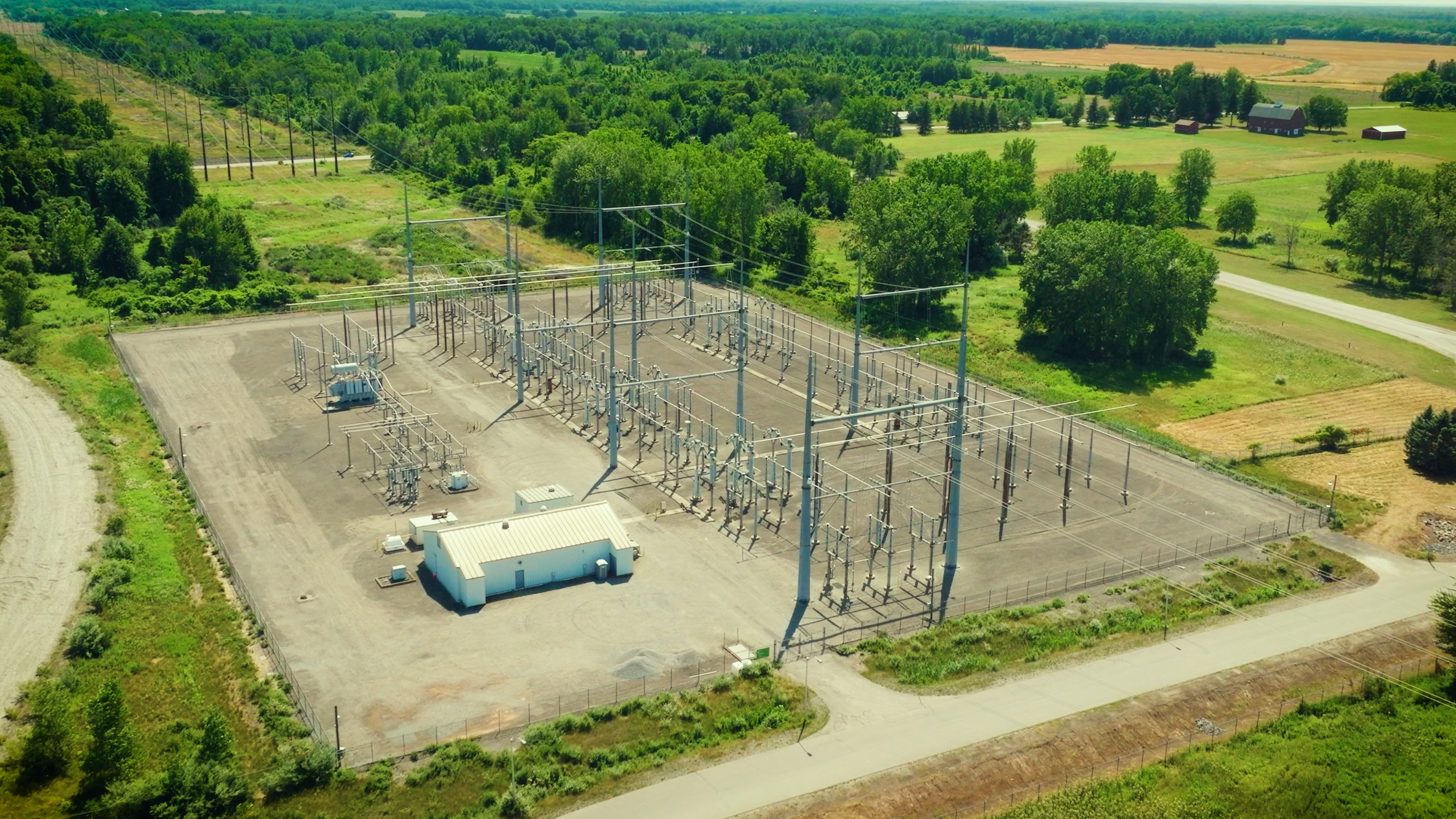
The Lake Mariner Campus connects to the regional grid at 345kV, qualifying it for tariffs designed for large-load interconnections. These tariffs include both fixed and variable components, with variable charges dependent on the site’s energy consumption.
The local power distribution system also applies its own tariffs and rates. Overall, the user’s energy bill is primarily driven by their own energy usage, with minimal impact from other large users on the system.
-
TeraWulf is covering the entire cost of the NYSEG grid upgrades needed for the project — improvements that would normally be paid for by local customers through their electric rates. In other words, these upgrades strengthen the regional power system at no cost to ratepayers.
-
Flexible operations allow the Campus to reduce load during peak demand periods, helping maintain reliability across the region.
-
The result of these facts is a stronger grid and no measurable impact on local electric rates - ensuring benefits for both the community and the state’s clean energy future.
what actually drives local electric rates?
There’s a lot of confusion about what actually drives local electric rates. In reality, electric bills in Upstate New York are shaped by natural gas prices, state energy policies, and utility infrastructure costs — not by local data centers.

Key Drivers of Local Electric Bills:
-
Natural gas plays a major role in electricity generation, so when gas prices rise, electric rates often follow — historically with about a 92% correlation. Even though your local utility may not generate power directly from natural gas, the wholesale energy markets it buys from are heavily influenced by natural gas costs.
-
The “Delivery” portion of your bill covers more than just getting power to your home — it includes grid maintenance, storm recovery, safety inspections, and equipment upgrades. These costs ensure reliable service year-round and are set by state regulators to recover the utility’s actual cost of maintaining and operating the grid.
-
A portion of your electric bill supports state-mandated programs — such as renewable energy development, grid modernization, and energy-efficiency initiatives. These charges are embedded in the delivery section of your bill.
Large industrial and commercial energy users pay a greater share of these program costs, while residential customers contribute proportionally less.
Meet our employees
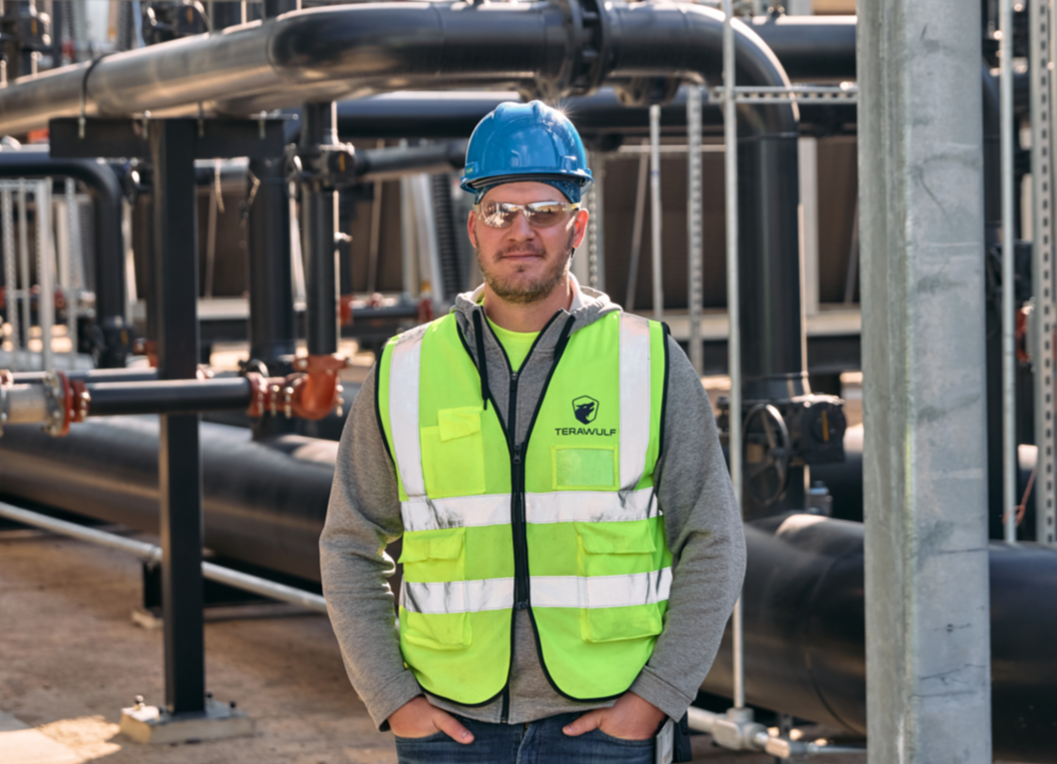
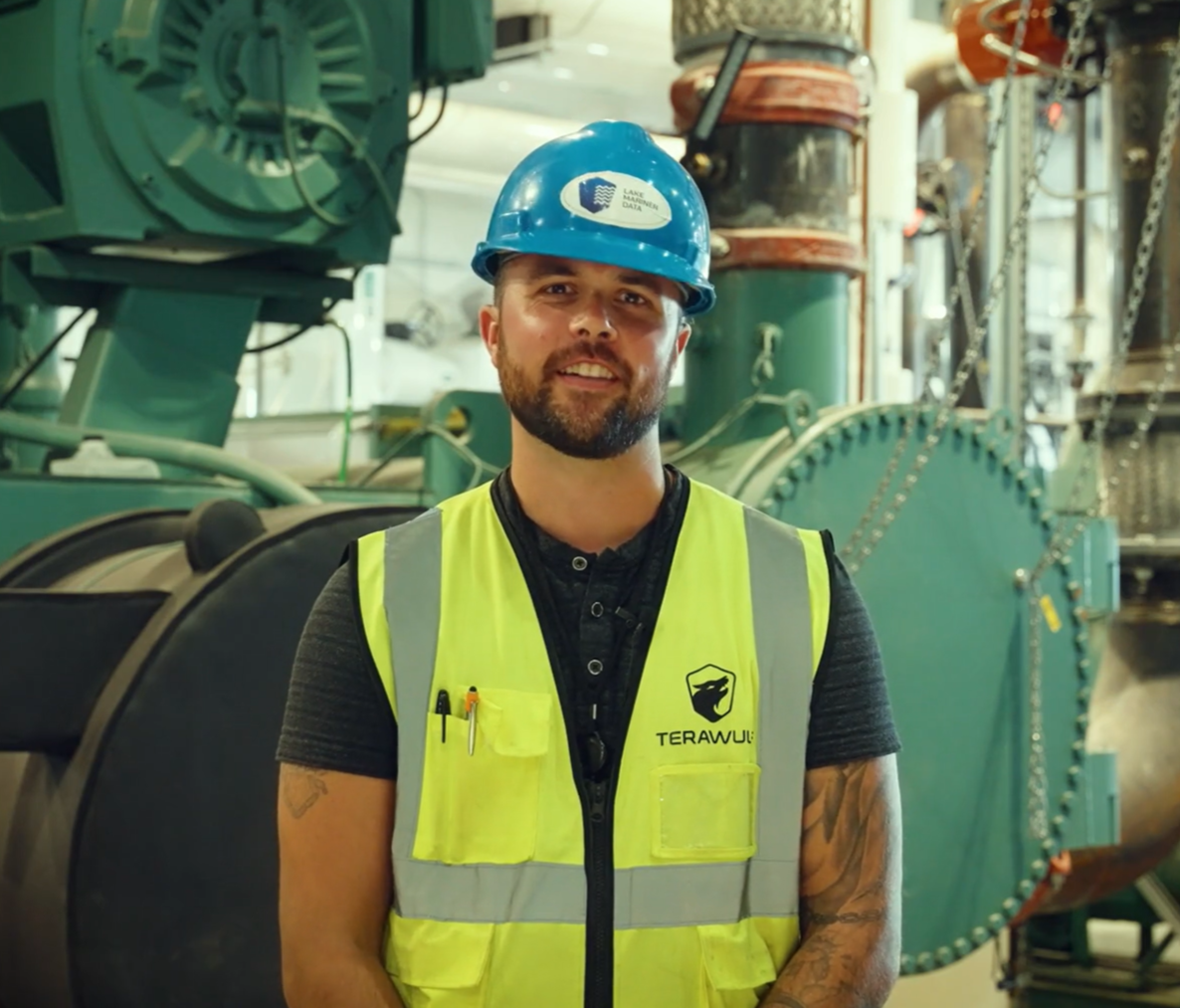
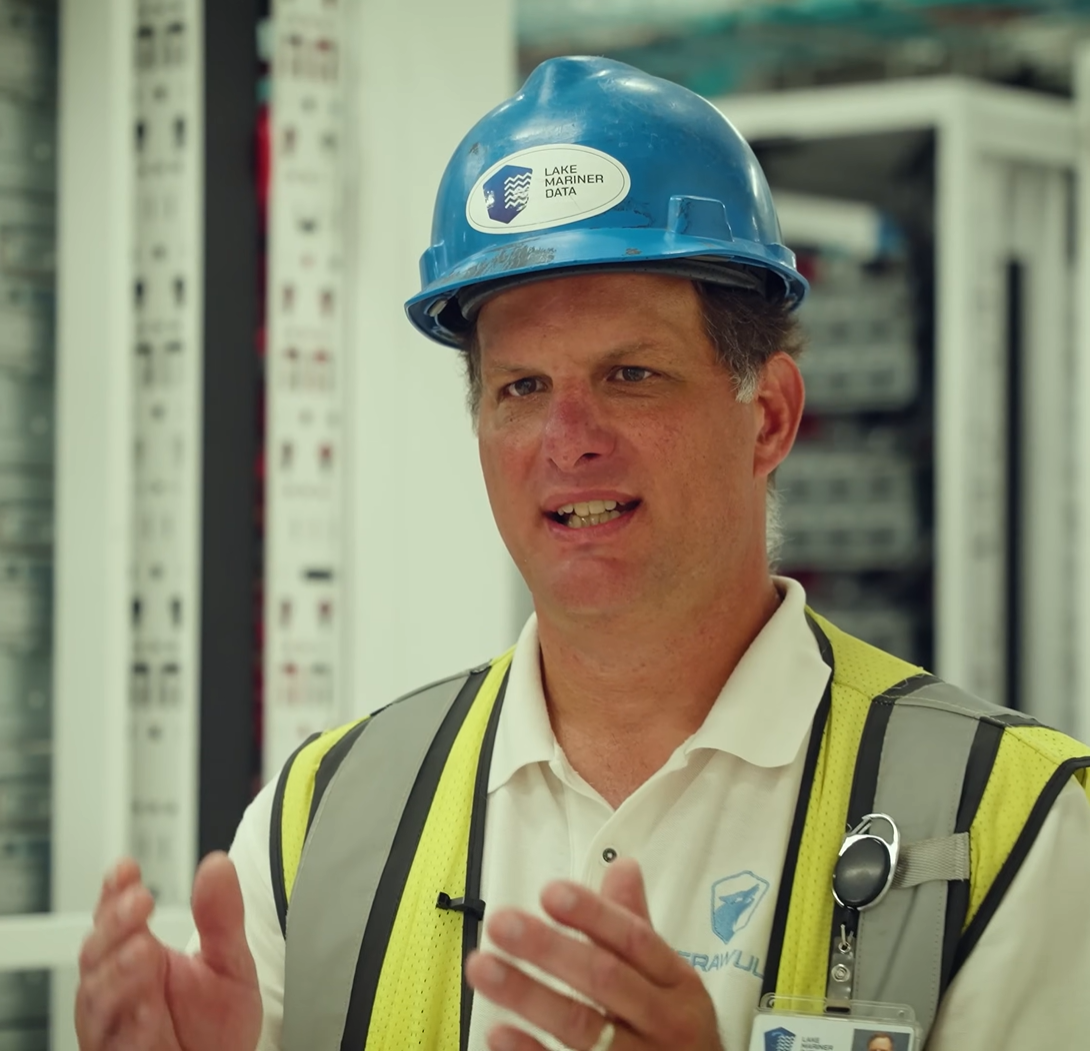
Beyond economic benefits, local job creation fosters connection, pride, and long-term investment in the well-being of the community.
Our Team, In Their Own Words
-
“In 2020, I experienced one of the most difficult days of my professional career. The power plant was more than just a workplace—it was a brotherhood and sisterhood built on years of shared purpose.
In 2021, I received a letter inviting all former employees to return to the site to learn about a new venture for the former coal facility. As I drove to the plant, I felt a mix of nerves and excitement. For me, coming back wasn’t just about a job—it was about the company and the people who made it feel like home.
The company not only rehired many of us from the coal plant, but also retrained us for new roles as Data Center Operators, Managers, Electricians, and Maintenance Technicians. Personally, during our final years at the power plant, the company gave me the opportunity to attend school and further my education—something I will always value deeply.
Having a company that truly believes in its people and invests in their growth is rare. TeraWulf is more than a corporation—it’s a community of individuals who care for one another, from the top down.”
-
“I started my career — and I emphasize career, not job — at AES Somerset in 2004 as an entry-level employee. After years in positions with little room to grow, Somerset offered real opportunity. The benefits, wages, and potential for advancement made it a turning point in my life.
I advanced from hourly employee to Planner, then Instrumentation and Electrical Manager, and finally Maintenance Manager before the facility closed in 2020. The closure — and laying off colleagues I’d worked beside for years — was the hardest day of my career.
In 2021, I was fortunate to rejoin TeraWulf as Procurement Manager as they transformed the site from a power plant into a modern data center. It was an exciting opportunity to rebuild, rehire former employees, and bring in new talent who shared our work ethic and values. Since then, my role has grown from Procurement Manager to Director of Operations, leading ongoing development.
From an entry-level position to where I am today, this company has provided me every opportunity to grow and provide for my family. I owe it my best work and gratitude for the career it’s helped me build.”
-
“I started working with TeraWulf back in 2015 as an operator at the coal-fired power plant. For five years, that plant was more than a job — it was a second home. When it shut down in 2020, it was heartbreaking. Many of us were laid off, myself included, and I wasn’t sure what came next.
I joined the Millwrights Union and spent a year and a half rebuilding hydro and nuclear turbines, staying connected to the energy industry I loved. The work was rewarding, but the travel kept me away from home and my growing family.
Then I got a letter from TeraWulf about a new project — transforming the old coal plant into a state-of-the-art data center. I knew right away I wanted to be part of it. The idea of bringing new life to the site, creating local jobs, and giving former employees a second chance felt like everything had come full circle.
In 2021, I rejoined the TeraWulf team as IT Manager, later became Site Manager, and am now the Site Lead. It’s been an incredible journey — challenging, meaningful, and deeply personal. I’m proud to be part of this company’s new chapter.”
Community & Partnership Initiatives
-
View letters of support from our local contracting partners at the Lake Mariner facility.